
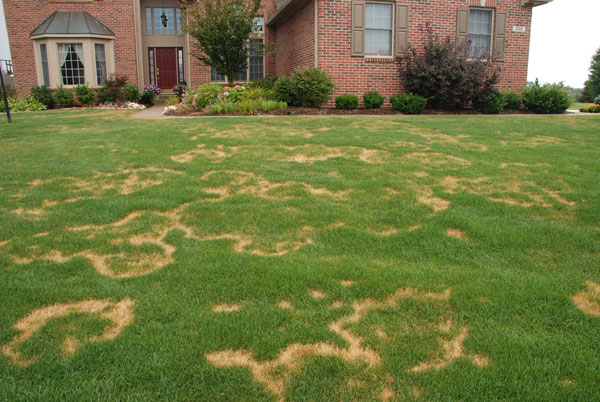
If your lawn looks worse this summer despite watering more than usual, you’re not alone - and you’re probably not doing anything wrong. Northwest Indiana has had one of its wettest stretches in over a century, and a wet, humid summer creates the exact conditions lawn disease needs to spread: constant leaf moisture, heat, and soil that never fully dries out. Lawn Disease Alert: A County-by-County Northwest Indiana Guide
The catch is that what’s happening under your lawn depends heavily on where you live. Porter County’s clay soil holds water differently than the sandy ground around DeMotte. Lake County’s older, more compacted neighborhoods respond differently than either. A one-size-fits-all fix doesn’t work here - the right lawn care answer depends on your soil, not just your zip code.
This guide breaks down what’s driving lawn stress across Northwest Indiana this season, then points you to the specific issues affecting your county.
Lawn Disease Alert! Why Wet Summers Are Hard on NWI Lawns

“One-size-fits-all fix can lead to turf disease in NWI. The right answer depends on your soil- not your zip code” -Steve Daly
Fungal disease doesn’t need drought or neglect to take hold - it needs the opposite. Heat, humidity, and moisture sitting on grass blades overnight are ideal breeding conditions for the diseases we see every wet season in Northwest Indiana:
- Dollar spot - small, silver-dollar-sized dead patches
- Red thread - pink-red thread-like strands in the turf, especially in fescue
- Necrotic ring spot - dead rings that spread outward over time
- Brown/summer patch - circular brown patches that expand in heat
None of these are caused by bad watering habits alone. They’re a byproduct of the weather NWI has had, working against whatever soil type sits under your lawn.
According to
| County | Soil Type | Primary Risk | Watering Approach |
|---|---|---|---|
| Porter County | Clay-heavy | Fungal disease (moisture holds longer) | Deep, infrequent |
| Lake County | Mixed clay, compacted in developed areas | Compaction, (grub pressure soon) | Standard; prioritize aeration |
| LaPorte County | Sandier, faster-draining | Dry-out between rain events | Lighter, more frequent |
| DeMotte / N. Jasper | Sandiest | Drought stress even in wet years | Most frequent of the four |
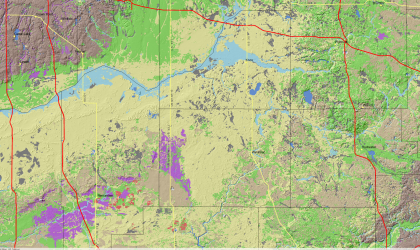
Clay soils in Porter County and Lake County’s mixed clay and compacted areas retain surface moisture the longest, which is why the risk of fungal disease is highest there this season. Sandy soils in DeMotte drain fast enough that even a historically wet summer can leave patches drying out between storms. Lake County’s more urbanized, compacted ground creates a different problem entirely - water struggles to infiltrate, which stresses roots and invites grubs.
What This Lawn Disease Alert Means By County

Porter County (Valparaiso, Chesterton): the highest fungal disease risk in the region this season. If you’re seeing thinning patches, red-tinged blades, or spreading dead rings, this is the most likely explanation. → Full breakdown: Porter County Lawn Disease Guide
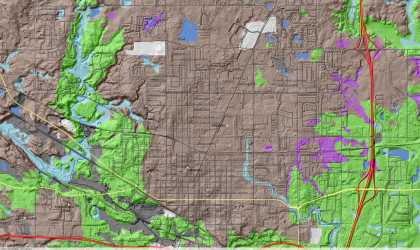
Lake County (Crown Point, Merrillville, Hobart): compaction is the bigger story here, especially in older, established neighborhoods. Aeration matters more in Lake County than almost anywhere else in the service area. → Full breakdown: Lake County Compaction & Aeration Guide
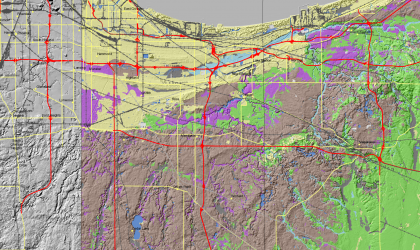
LaPorte County: sandy pockets mean your lawn can look stressed even after a wet month - the soil just doesn’t hold water like Porter County’s clay does. → Full breakdown: LaPorte County Watering Guide

DeMotte / Northern Jasper: the most drought-exposed area in the region, wet year or not. If your lawn is drying out faster than your neighbors’, sandy soil is almost always why. → Full breakdown: DeMotte Lawn Care Guide
What Perma-Green Treats vs. What Your Routine Needs To Do
One thing this guide hasn’t said outright: not everything stressing your lawn this year is something a lawn care service treats - and not everything is on you, either. Here’s the honest split, because guessing wrong wastes a season.
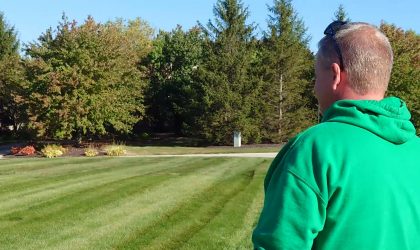
Steve Daly inspects a commercial account in the Chesterton area for Turf Disease.
What Perma-Green Handles
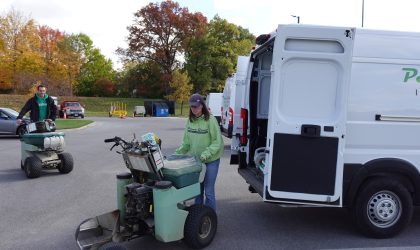
- Diagnosing and treating fungal disease - dollar spot, red thread, necrotic ring spot, brown/summer patch
- Rebuilding nutrients washed out by heavy rain, through seasonal fertilization
- Weed control on turf thinned out by disease or standing water
- Core aeration to relieve compaction in clay-heavy soil (Porter and Lake County especially)
- Grub and pest control, especially important this year since disease- or compaction-weakened turf recovers far worse from grub damage
- Tree and shrub health, since the same rain-then-heat swing stresses root systems beyond just turf
- On-site diagnosis - telling you whether what you’re seeing is disease, heat stress, drought stress, or some combination, before you spend money or water on the wrong fix
What’s on You (and Why It Matters More This Year)

Perma-Green doesn’t mow lawns or water grass. That’s always been true, but this season it matters more than usual, because mowing height and watering timing are actively working for or against everything above:
- Watering timing - evening watering leaves grass wet overnight, which is one of the most common self-inflicted causes of fungal disease. Morning watering lets turf dry out during the day.
- Watering volume and frequency by soil type - this is the single most common mistake homeowners make, because it’s not intuitive. Clay soil (Porter, Lake County) wants deep, infrequent watering. Sandy soil (LaPorte, DeMotte) dries out fast and needs lighter, more frequent watering. Using the wrong approach for your soil type can undo fungicide treatment or worsen drought stress, even when the treatment itself is correct.
- Mowing height - cutting too short during a heat wave removes the leaf surface turf needs to shade its own root zone, compounding heat stress on top of whatever disease damage is already present.
- Mowing frequency and blade sharpness - dull blades tear grass rather than cutting it, and torn leaf tissue is easier for fungal spores to infect, especially on turf that’s already fighting disease.
July Update: Why This Split Matters Right Now
Northwest Indiana’s pattern flipped fast. After the wettest June on record, mid-July brought a real heat wave - highs in the low 90s with heat index values pushing past 100°F. Turf that spent June fighting fungal disease and standing water didn’t get a recovery window before the heat arrived. If your lawn still looks rough, the two most common mistakes are: assuming it’s simple heat stress (when it may be June’s disease damage surfacing), and watering more because it’s hot (when the real fix is targeted treatment, not volume).
This is exactly why diagnosis comes before treatment or watering-schedule changes. A lawn genuinely dealing with heat stress needs a different watering approach than one still carrying disease damage from June - and getting that wrong in either direction costs you the rest of the season.
Listen to Steve Daly’s Lawn Disease Tip
Lawn disease and fungus issues are showing up across Northwest Indiana again. In this episode, Steve Daly explains what turfgrass disease is, why it happens, and what homeowners can do when brown patches, thinning grass, or sudden lawn stress appear.
The Bottom Line: Lawn Disease Alert

A wet summer doesn’t mean your lawn is fine - it means the risks have shifted from drought stress to disease pressure, and which disease (or which drainage problem) depends on the soil under your feet. Knowing your county’s soil profile is the first step toward treating the actual problem rather than guessing.
Not sure what’s affecting your lawn specifically? Get a free lawn evaluation from a Perma-Green technician who lives in your community and knows your soil.

Related reading: Valparaiso Lawn Care | Turfgrass Science of Purdue University | Perma-Green Services